Maharashtrian Saree Types: Paithani, Nauvari, Ilkal & Vidarbha Cotton
Explore iconic Maharashtrian saree types including Yeola Paithani, Nauvari Kashta, Ilkal, Narayan Peth and Nagpur cotton weaves, plus styling tips.
- Quick Overview of Iconic Maharashtrian Sarees
- 1. Paithani: The Crown Jewel of Maharashtra
- Signature Design Features of Traditional Paithani
- 2. Nauvari Saree (9-Yard Kashta Drape)
- 3. Vidarbha, Nagpur & Everyday Maharashtrian Weaves
- 4. Classic Maharashtrian Saree Styling & Jewellery Pairing
- Shopping for Maharashtrian & Festive Sarees from Nagpur
Maharashtrian saree types span heirloom silk weaves like Yeola Paithani, nine-yard Nauvari (Kashta) wedding drapes, Narayan Peth temple-border weaves, Ilkal Kasuti drapes, and breathable Vidarbha cotton sarees crafted for Central India's warm climate. Each style carries distinct regional motifs, border geometry, and ceremonial traditions across Maharashtra.
Quick Overview of Iconic Maharashtrian Sarees
Maharashtra's textile identity combines Maratha royal patronage with practical everyday weaves tailored to the Deccan plateau, Konkan coast, and Vidarbha plains:
- Yeola & Paithan Paithani Saree: Traditional silk weave celebrated for oblique square zari borders and hand-interlocked tapestry pallus featuring peacock (Bangadi Mor), lotus, or parrot (Tota Maina) motifs. Worn at weddings, Gudi Padwa, and family milestones.
- Nauvari (Nine-Yard Kashta) Saree: A 9-yard saree draped in the distinctive trouser-like Kashta style without a petticoat, offering full freedom of movement. Worn by Maharashtrian brides, classical Lavani dancers, and women celebrating Ganesh Chaturthi and Gudi Padwa.
- Narayan Peth Saree: Originating along the Maharashtra–Telangana border, known for crisp cotton or silk-blend bodies, dark contrasting temple borders (ganga-jamuna or rudraksha styles), and lightweight ceremonial comfort.
- Ilkal & Irkal Saree: Traditional borderland weave shared by southern Maharashtra and northern Karnataka, recognizable by its red pallu with white temple stripes (tope teni technique) and crisp cotton-silk drape.
- Vidarbha & Nagpur Cotton Sarees (including Karvat Kathi): Breathable cotton and silk-cotton weaves from Nagpur and Bhandara regions featuring iconic saw-tooth temple borders (karvat kathi), valued across Central India for summer wear and festive pujas.
- Shalu Saree: A richly brocaded Maharashtrian bridal silk drape—historically blending Banarasi brocade richness with Paithani-inspired colour palettes—worn by brides during the main wedding pheras.
1. Paithani: The Crown Jewel of Maharashtra
Named after the historic town of Paithan near Chhatrapati Sambhajinagar (Aurangabad) and woven extensively in Yeola (Nashik district), the Paithani saree is revered across Maharashtra as an heirloom passed from mother to daughter.
Signature Design Features of Traditional Paithani
- Tapestry Weave Technique: Authentic Paithani pallus are woven using an interlocking tapestry method without mechanical jacquards, meaning the motif looks nearly identical on both the front and reverse sides.
- Classic Motifs: Bangadi Mor (peacocks set inside a bangle circle), Asavali (flowering vines), Akruti (almond shapes), Narali (coconut border), and Muniya (green parrots along the border).
- Iconic Colours: Morpankhi (peacock blue-green), Dhoop-Chhaon (shot dual-tone weave), magenta rani pink, parrot green, deep purple, and auspicious haldi yellow.
2. Nauvari Saree (9-Yard Kashta Drape)
The Nauvari saree—literally "nine yards" (around 8.2 metres)—is as much about draping geometry as fabric. Historically worn by Maratha women for agility and strength, the central pleats are tucked cleanly between the legs to the back waistband, creating a regal, trouser-like lower silhouette while leaving a graceful pleated pallu across the shoulder.
- Traditional Fabrics: Pure silk Paithani Nauvari for brides, Narayan Peth or Irkal cotton-silk for festivals, and lightweight cotton Nauvari for cultural events and temple visits.
- Modern Convenience: While traditional draping remains treasured for weddings and Ganeshotsav, many younger wearers also learn simplified pre-pleated draping methods for long dance performances and ceremonies.
3. Vidarbha, Nagpur & Everyday Maharashtrian Weaves
Beyond grand wedding silks, Maharashtra has a deep everyday weaving culture centred in Nagpur, Umred, Pauni, and Solapur. Because summers across Nagpur and Vidarbha routinely cross 42°C, families rely on breathable natural weaves that hold crisp colour without trapping heat:
- Karvat Kathi Border Weaves: Distinguished by triangular saw-tooth temple edges woven along crisp cotton or tussar-blend bodies.
- Soft Cotton, Khadi & Linen Drapes: Preferred by teachers, working professionals, and homemakers across Nagpur and Pune for daily elegance. Explore comfortable warm-weather weaves in our Soft Cotton Sarees collection and Pure Linen Sarees collection.
- Festive Maheshwari & Zari-Border Drapes: Because Nagpur sits right next to Madhya Pradesh, Maheshwari cotton-silk sarees—such as our Rani Pink Maheshwari Saree with Zari Border—are perennial favourites at Maharashtrian haldi-kunku gatherings, family pujas, and daytime wedding rituals.
4. Classic Maharashtrian Saree Styling & Jewellery Pairing
Traditional Maharashtrian styling shines when rich festive colours are paired with crisp, structured jewellery and clean hair rather than oversized western accessories.
- Signature Jewellery: A Nath (pearl-and-ruby nose ring), Thushi (tightly woven gold bead choker), Kolhapuri Saaj or Mohanmaal necklace, Kudya (pearl ear studs), and green glass bangles (Hirva Chuda) paired with gold Patlya bangles.
- Blouse Pairing: Classic elbow-length sleeves with matching woven border cuffs, square or U-shaped back necklines, and neat Khan (handloom textured brocade) contrast blouses for festivals like Makar Sankranti, Gudi Padwa, and Mangala Gauri.
- Finishing Touch: A crescent Chandrakor bindi and fresh Mogra or Aboli flowers tucked neatly into a low bun (Ambada).
Shopping for Maharashtrian & Festive Sarees from Nagpur
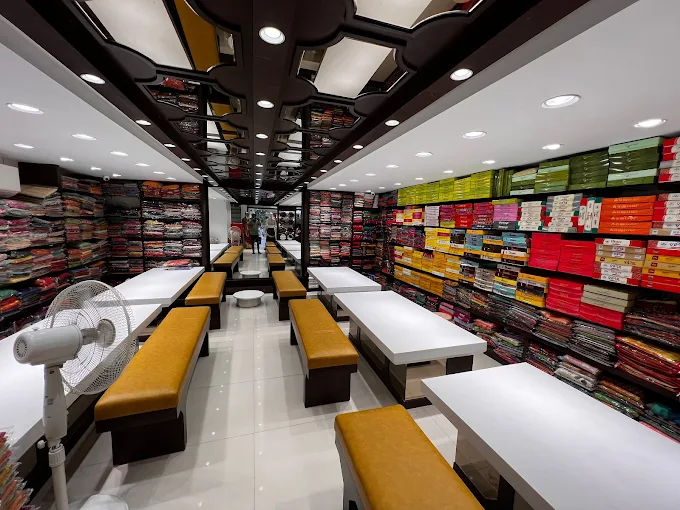
Founded in 1978 at Jagnath Road, Gandhibagh, Mukesh Saree Centre has served generations of families across Nagpur, Vidarbha, and Maharashtra for wedding trousseaus, festive gifting, and daily wear. Explore our online Saree for Wedding collection, discover breathable everyday weaves in Daily Wear Sarees, plan a showroom visit via our Saree Shop in Nagpur page, or browse all collections at Mukesh Saree Centre Shop.
Explore Related Saree Collections
Shop curated weaves featured in this guide directly from Mukesh Saree Centre at transparent direct-weaver rates:
Frequently Asked Questions
What are the main types of traditional Maharashtrian sarees?
The most iconic Maharashtrian sarees include Yeola and Paithan Paithani, the nine-yard Nauvari Kashta saree, Narayan Peth, Ilkal (Irkal), Vidarbha and Nagpur Karvat Kathi cotton weaves, and bridal Shalu sarees.
How long is a traditional Maharashtrian Nauvari saree?
A traditional Nauvari saree measures nine yards (approximately 8.2 metres), compared to the standard six-yard (5.5 metre) saree, and is draped in the Kashta style without a petticoat.
What motifs identify a traditional Paithani saree?
Classic Paithani motifs include Bangadi Mor (peacocks within a bangle), Tota Maina (parrots), Asavali (floral vines), lotus buds, and oblique square Narali borders woven using an interlocking tapestry technique.
What saree fabrics are most popular in Nagpur and Vidarbha?
Alongside festive Paithani and Maheshwari cotton-silk weaves, Nagpur and Vidarbha families wear breathable soft cotton, Khadi cotton, pure linen, and Karvat Kathi temple-border cotton sarees suited to warm summers.